
Mar 15, 2022
5min read
The Relationship Between Empathy and User-Centered Design
In developing software that meets every user’s needs, a designer must involve users as an essential part of the process. First, we must understand what users need and want. A designer cannot rely solely on their own knowledge but must discover what the users truly require.
How can designers identify user needs? One way is through interviews. Interviews are one of many methods designers use to understand users’ needs and desires. This is done by asking users a series of questions. However, the biggest challenge in interviews arises when a designer fails to establish empathy with the users.
For example:
“Do you like eating soto?”
“No.”
“Do you like running?”
“Yes.”
Have you ever encountered a situation like this? A designer may struggle to deeply understand what users want and need, even after conducting interviews, due to simple "Yes" or "No" answers. Such challenges may arise, and it is the designer’s responsibility to leverage their skills to ensure the interviewed users engage empathetically in the conversation.
What is Empathy?
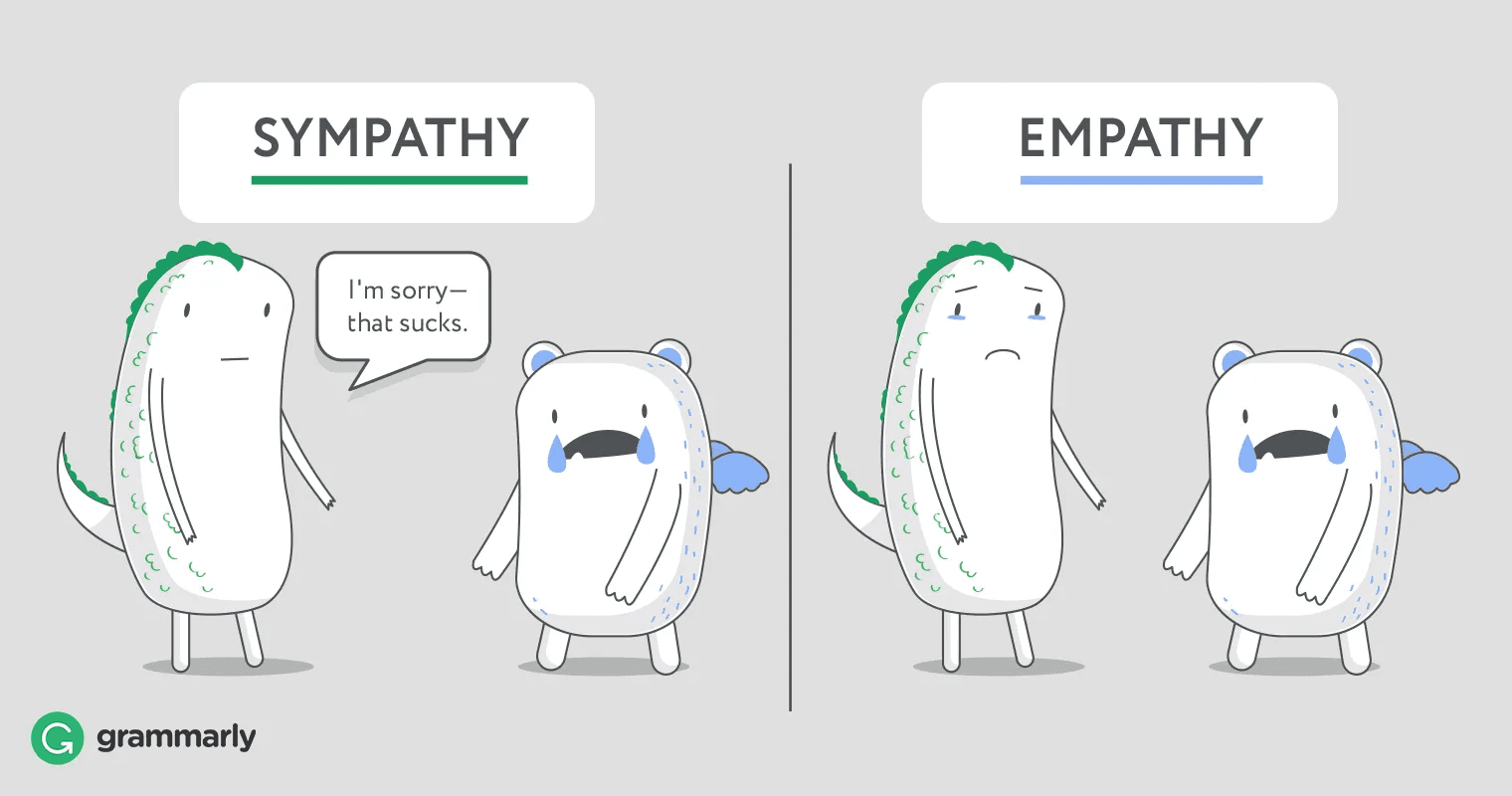
According to the KBBI (Indonesian Dictionary), empathy is a mental state that allows a person to feel or identify themselves in the same emotional or thought state as another person or group. Meanwhile, according to Wikipedia, empathy is the ability to sense the emotional state of others, feel sympathy, attempt to solve problems, and take on another person's perspective.
What is User-centered Design?
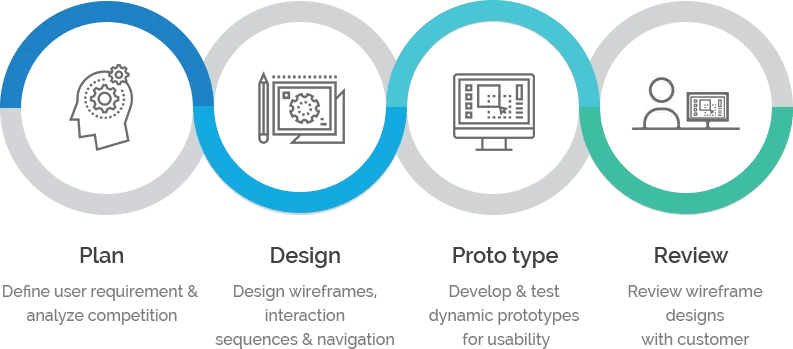
User-Centered Design (UCD) is a design approach that must be based on a clear understanding of the user, where users are involved throughout the entire design and development process. This design and development process is carried out based on user-centered evaluations, utilizing an iterative process to ensure continuous improvement and alignment with user needs.
The Relationship Between Empathy and User-Centered Design
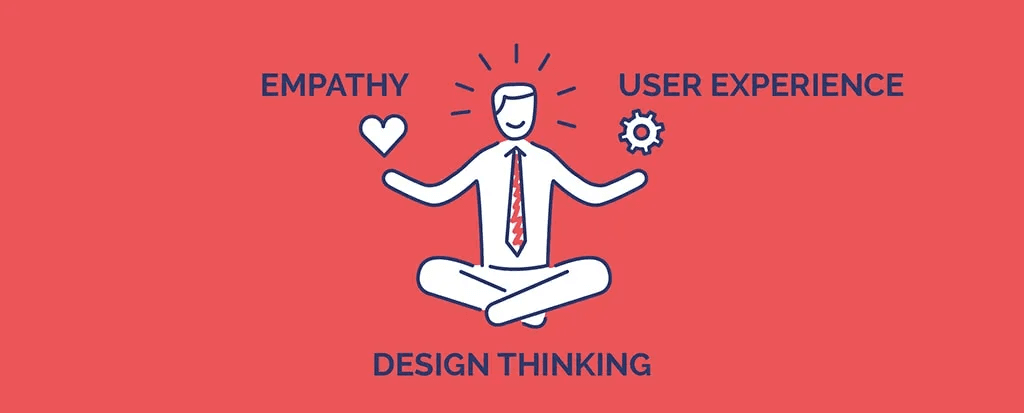
Empathy plays a vital role in User-Centered Design (UCD) because it allows designers to gain clear and accurate insights into user needs. By understanding users on a deeper level, designers can create products that truly align with their expectations.
Even if a product is well-designed, it will inevitably go through changes and feature updates to adapt to evolving user needs. Empathy helps drive innovation and expand the target market by generating new ideas and solutions based on real user insights gathered through empathy interviews.
Unlike traditional interviews that rely on structured questions, empathy interviews should feel like an open conversation with a friend. The goal is to understand users better through a relaxed discussion rather than just confirming existing ideas.
Is it easy to build empathy with users? For those new to the process, it might be challenging at first, but with practice, it becomes an essential skill for creating truly user-centered products.
How to Conduct an Empathy Interview
Empathy interviews are designed to understand users on a deeper level by encouraging open, meaningful conversations. Here are some key techniques:
1. Use a Beginner’s Mindset
Avoid making assumptions about the answers.
Always ask "WHY?"—participants rarely explain their reasons unless prompted.
This encourages them to reflect on their actions and thoughts.
2. Pursue Tangents
Don't force participants to stay on topic.
Let them explore their passions and concerns, as this often reveals their true feelings and motivations.
Natural, unstructured conversations lead to deeper insights.
3. Encourage Storytelling
Stories help uncover detailed experiences and emotions.
Example:
🚫 “Do you like driving?” → (Yes/No answer, conversation ends)
✅ “Tell me about your last driving experience.” → (Encourages storytelling, reveals emotions & habits)
People make decisions based on past experiences—understanding those experiences helps designers create better solutions.
4. Observe Body Language
Non-verbal cues can reveal emotions that words don’t. Watch for:
Crossed arms → Defensive or disagreement
Unusual posture → Discomfort or tension
Facial expressions → Smiling, frowning, or furrowing brows
Tilted head → Curiosity or doubt
Leaning in → Engagement or interest
Eye contact → Confidence or hesitation
Example:
If a participant crosses their arms while discussing a feature, they may dislike it or feel resistant. Noticing this allows the interviewer to ask follow-up questions for deeper understanding.
By applying these techniques, designers can conduct effective empathy interviews that reveal genuine user needs, leading to more user-centered solutions.
5. Embrace the Silence
It’s normal for moments of silence to occur during an interview.
Avoid filling the silence with answer choices, as this may lead participants to agree with the interviewer’s assumptions.
Let them think and reflect—this can lead to deeper insights and meaningful responses.
So, don’t be afraid of silence!
6. Ask Neutral Questions
Questions should be neutral and free from bias.
Example:
🚫 “What frustrations do you have about the new policy?” (Implies frustration exists)
✅ “What do you think about the new policy?” (Allows participants to express their true thoughts)
Neutral questions encourage honest responses rather than leading the participant in a specific direction.
7. Avoid Binary Questions
Yes or no questions provide minimal insights.
Instead, ask open-ended questions to encourage storytelling and deeper explanations.
This helps the interviewer gain a better understanding of the participant’s thoughts and emotions.
8. Interview in Pairs
Balancing active listening and note-taking can be challenging.
Conducting interviews in pairs allows:
One person to engage with the participant and ask deeper questions.
The other person to take notes and observe body language.
This ensures that no important details are missed.
Additional Tips:
Maintain eye contact to show engagement.
Avoid using the word "usually"—instead, ask about specific experiences.
Build rapport with the participant so they feel comfortable sharing openly.
By following these steps, interviewers can create an open and natural conversation, leading to a deeper understanding of users' thoughts, emotions, and needs. This type of interview takes practice—so stick with it! 🚀
Check out my Medium!